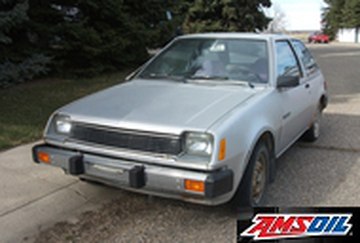
Maintaining Lubrication Standards for the 1981 Dodge COLT 1.6L
Proper engine care for a vehicle of this era requires a focus on consistent monitoring and adherence to specific fluid requirements. For owners of a 1981 Dodge COLT with the 1.6L engine, maintaining the lubrication system is a fundamental aspect of preserving mechanical integrity and ensuring the engine operates as intended over time.Monitoring Fluid Integrity and Consumption
One of the most effective ways to monitor the health of the 1.6L engine is through regular observation of fluid levels and the physical condition of the oil. Because older engines may exhibit different sealing characteristics than modern counterparts, it is helpful to establish a routine for checking the dipstick. When inspecting the oil, look for changes in color or texture. While oil naturally darkens over time due to use, an extremely rapid change in appearance can warrant further investigation. Additionally, observing the area around the engine for any signs of seepage can help identify if gaskets or seals are beginning to age. If you notice any fluid accumulating on the underside of the engine or dripping onto the ground, it is important to address these observations promptly to prevent significant loss of lubricant. Beyond visible leaks, pay attention to how much oil the vehicle consumes between service intervals. Significant changes in consumption levels can be an indicator of changing internal conditions and should be noted in your maintenance records.Observing Potential Warning Signs
While many engine issues develop gradually, certain symptoms serve as important indicators that the lubrication system or related components require attention. It is vital to distinguish between minor observations and signs that necessitate immediate professional inspection. If you notice unusual mechanical noises while the engine is running, such as rhythmic tapping or knocking, this may be associated with lubrication levels or the condition of internal components. Similarly, any unexpected changes in how the engine performs—such as difficulty starting or inconsistent idling—should be investigated. While some drivers look for specific exhaust colors as a sign of oil-related issues, it is important to remember that many different factors can cause changes in exhaust appearance. Rather than attempting to diagnose a specific component based on smoke alone, treat any unusual exhaust behavior as a prompt to have the vehicle inspected by a qualified technician. Furthermore, if an oil pressure indicator illuminates on the dashboard, this requires immediate attention to prevent potential damage.Prioritizing Long-Term Maintenance Decisions
As a vehicle ages, maintenance strategies often shift from purely preventive measures to condition-based monitoring. For a 1981 Dodge COLT, effective ownership involves using the current state of the vehicle to dictate service priorities rather than relying solely on the age of the car. If you are managing a vehicle with an incomplete service history, your first priority should be establishing a maintenance baseline. This can be done by performing a thorough inspection of all fluids and belts (if equipped) and documenting their condition. Once you have a clear understanding of the current state of the engine, you can better distinguish between necessary repairs and routine preventive maintenance. Keeping detailed records is an essential part of this process. Documenting every oil change, filter replacement, and observed leak provides a roadmap of the vehicle's history. This information is invaluable when deciding which maintenance tasks to prioritize, especially if you notice that certain components require more frequent monitoring than others.Inspecting Aging Components and Connections
A thorough inspection should extend beyond just the engine oil. For an older application, checking the condition of various peripheral components can prevent unexpected interruptions in service. If equipped, inspect accessible drive belts for signs of deterioration such as cracking, glazing, or fraying. Similarly, if the vehicle is equipped with various hoses, check them for softness, swelling, or visible cracks. Electrical connections and wiring should also be inspected for signs of corrosion or brittleness, as these can affect the overall reliability of engine sensors and ignition components (if applicable). Regularly checking the air filtration system is also a practical step. A clean air intake ensures that the engine is not working harder than necessary due to restricted airflow, which helps maintain efficient operation.Effective Record Keeping for Engine Health
Maintaining a consistent history of service is one of the most beneficial actions an owner can take. For the 1981 Dodge COLT, having a clear log of when fluids were changed and what specific products were used allows you to identify patterns. For example, if you notice that oil consumption increases significantly after a certain period, your records will help you determine exactly when that change occurred. A well-maintained service history also assists in the resale process and provides peace of mind that the vehicle has been treated with appropriate care. Whether you are tracking filter part numbers or noting the dates of visual inspections, these details form the foundation of responsible long-term ownership.Practical Guidance for Buying Engine Oil for your 1981 Dodge COLT 1.6L
When it is time to replenish your engine's lubricant, the most important step is ensuring that the product you select matches the specific requirements of your engine. Because different engines have unique needs regarding viscosity and additive packages, you should never rely on general automotive knowledge or assumptions based on the vehicle's age. To ensure the correct match, always refer to the application-specific oil viscosity and lubricant information provided on this webpage. This information is tailored to the 1981 Dodge COLT 1.6L and serves as your primary guide for selection. When you are ready to purchase, consider the following:- Verify the Label: Always check the product packaging to ensure it meets the specifications listed in your application information.
- Evaluate Formulations: Depending on your engine's current condition and mileage, you may choose between conventional, synthetic blend, or full synthetic oils. Some high-mileage formulations also contain additives intended for use in aging engines, including seal-conditioning additives.
- Check Certification: Ensure the oil carries the appropriate API certification to confirm it meets modern quality and performance standards.